
Clinical trail success starts a long time before the enrollment of the first participant. To start a clinical trial success plan a very careful study plan is designed that focuses on scientific rigor, patient needs, regulatory compliance, and operational feasibility. As clinical research becomes more complex, organizations that invest in smarter study design are better positioned to accelerate recruitment, improve data quality, reduce costs, and bring innovative therapies to patients faster.
Every decision made during the planning stage directly impacts the overall success of a clinical trial. The professionals understand this very well. That's why from selecting endpoints to integrating digital technologies, smarter study design has become a strategic advantage rather than simply a regulatory requirement.
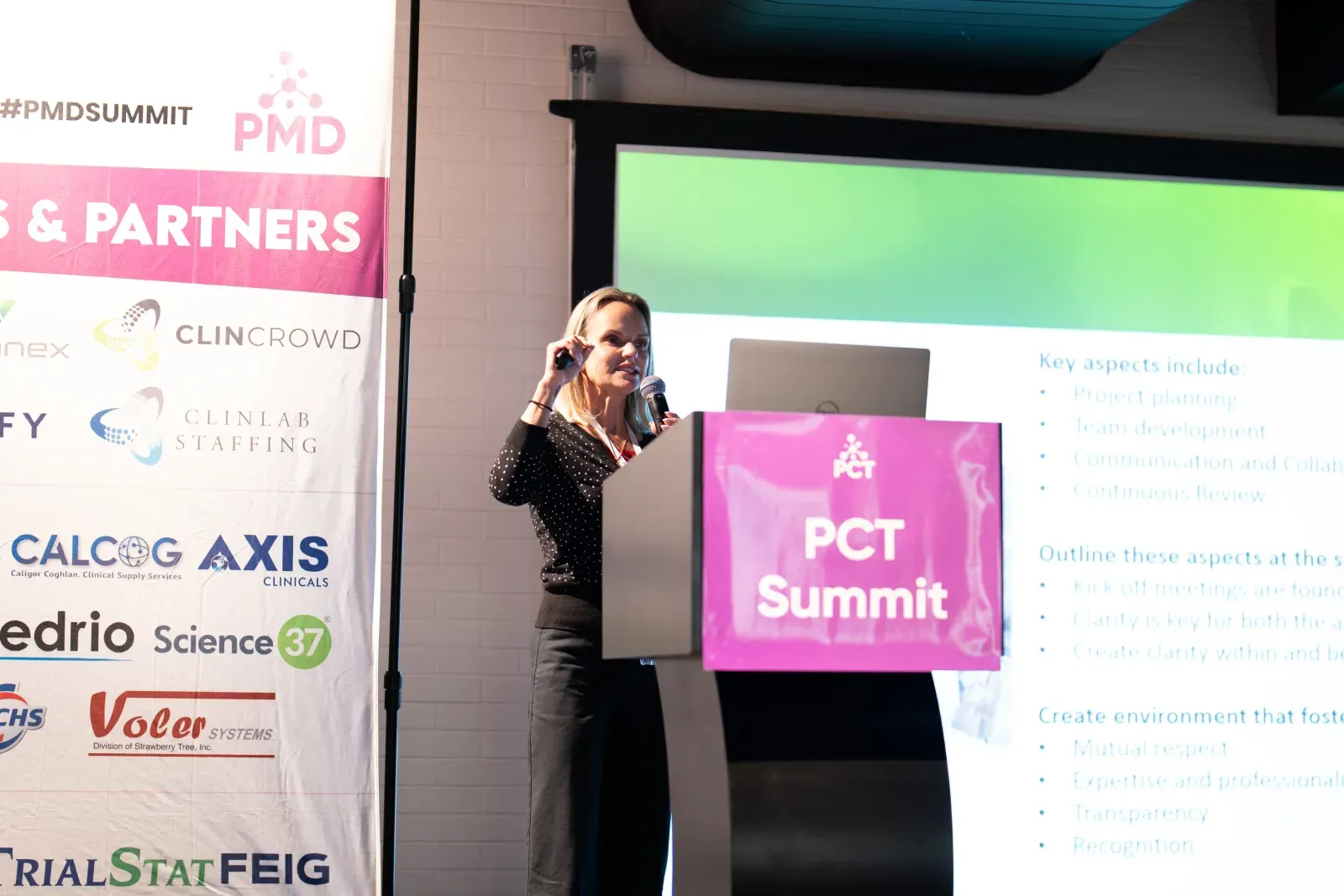
Industry leaders regularly discuss these innovations at pharma conferences 2026, where experts share best practices, emerging technologies, and successful case studies that continue to shape the future of clinical research.
A thoughtful study design is very important for successful clinical trails. It creates a roadmap that helps every stakeholder understand their responsibilities while ensuring high-quality, reliable outcomes. On the other hand, if the study design is not well maintained then it can lead to delays, protocol amendments, increased costs, and even trial failure.
An effective study design should clearly define research objectives, establish measurable endpoints, support efficient patient recruitment, minimize unnecessary protocol complexity and improve participant retention.
Doing patient centered study is more effective than simple trails. Modern clinical research increasingly emphasizes patient-centric study design. It directly influences recruitment, adherence, and retention.
It is very important to keep clear communication through out the process and have flexible schedules to help the patient centred trials. When participants experience fewer burdens, they are more likely to remain engaged throughout the study, resulting in stronger data integrity and lower dropout rates.
Digital transformation is continuously reshaping the clinical research. Today's study designs include artificial intelligence, predictive analytics, electronic data capture (EDC), risk-based monitoring, wearable devices, and decentralized trial platforms. When these technologies becthe part of study designs, the operational efficiency of the process improves. Industry experts frequently showcase these advancements during clinical trials san diego events, where technology providers and research organizations collaborate to improve future study methodologies.
One of the biggest operational challenges in clinical research is protocol complexity. To cope with such complex protocols multiple site visits, extensive eligibility criteria, numerous laboratory assessments, large volumes of documentation, and complicated dosing schedules are required.
All of these requirements increase costs while creating additional workload for investigators and participants. That's why the smarter and modern clinical designs mainly focus on collecting only clinically meaningful data while eliminating unnecessary procedures. This reduces the administrative burden.
Real-world data (RWD) and real-world evidence (RWE) have become valuable tools during study planning. Researchers now analyze electronic health records, insurance claims, disease registries, wearable device data, and patient-generated health information. These insights help sponsors better understand patient populations, optimize eligibility criteria, and improve recruitment strategies before enrollment begins.
Maintenance of a successful study design requires collaboration across multiple disciplines. It is important to include the stakeholders that have clinical operations, medical affairs, biostatistics, regulatory affairs, and data management. To avoid the costly protocol amendments later, early collaboration helps identify operational challenges before trial initiation.
Organizations participating in events hosted by Precision Evolution Global often emphasize multidisciplinary collaboration as a critical driver of successful clinical development programs.
Adaptive clinical trials have changed the method of how studies are conducted. Unlike traditional fixed protocols, adaptive studies allow predefined modifications based on interim data analysis. Possible adaptations can be sample size adjustments, dose optimization, treatment arm expansion, early stopping for efficacy, and early termination for futility. Adaptive methodologies improve efficiency while maintaining statistical integrity, allowing researchers to make informed decisions throughout the trial lifecycle.
Cancer researchers have to face a lot new challenges due to the rapid growth in evolving therapies, precision medicine, and biomarker-driven treatment strategies. Smarter oncology study designs can be biomarker screening, umbrella trials, or adaptive randomization etc. These innovations increase development and improve treatment evaluation.
Current trends and emerging oncology research strategies are regularly explored during major events like the Boston oncology event, where global experts discuss next-generation trial methodologies.
Choosing the right investigative sites directly affects recruitment speed and study performance. Sponsors now evaluate historical enrollment performance and patient population availability. For the right site selection, they also have to focus on investigator experience, site infrastructure, technology readiness and geographic diversity.
Advanced analytics help identify high-performing sites capable of delivering consistent enrollment while maintaining regulatory compliance. This helps in choosing the right site, which plays a great role in the achievement of good results.
One of the most important aspects of study design are meaningful endpoints. This affects the research directly. Researchers must balance clinical relevance, regulatory expectations, patient outcomes, statistical significance, and operational feasibility. This is the reason that selecting appropriate primary and secondary endpoints ensures studies generate evidence that supports regulatory approval. It also demonstrates meaningful patient benefit.
Knowledge sharing across the global healthcare community drives the evolution of clinical research. International conferences provide opportunities to learn about the main topics that are the part of the research. These topics are usually regulatory updates, AI applications, decentralized research, digital innovation and more aspects like them, that affect the medical research across the globe.
For this purpose, strategic planning discussions held at events such as Summit Strategy RTP help research professionals exchange practical solutions that improve future trial performance. These summits also result in beneficial collaborations.
Clinical trial success not only depends on scientific discovery. It is also determined by thoughtful planning, patient-centered methodologies, technology integration, operational efficiency, and continuous collaboration among stakeholders.
Smarter study design reduces unnecessary complexity while making improvements. Clinical research continues to evolve and organizations that embrace innovative study design strategies will be better equipped to deliver safe, effective therapies to patients worldwide.
By combining advanced analytics, adaptive methodologies, decentralized technologies, and collaborative planning, the future of clinical trials is becoming faster, more efficient, and increasingly focused on delivering meaningful outcomes for both researchers and patients.