Precision oncology is completely changing cancer care strategies by moving to treatments that are customised according to the patient’s tumour and condition, instead of using strategies that were the same for all kinds of patients. Diagnosing cancer, selecting treatment and monitoring patient responses are now changed due to the advances in genomic sequences, biomarker testing, artificial intelligence and targeted therapies.
However, turning scientific discoveries into real-world treatments depends heavily on well-designed clinical trials. Preclinical oncology trials play a very significant role in validation of innovative therapies. They also play a vital character in improving treatment strategies, and delivering better patient outcomes. They allow researchers to evaluate targeted drugs, immunotherapies , combination treatments, and personalized medicine approaches in carefully selected patient populations.
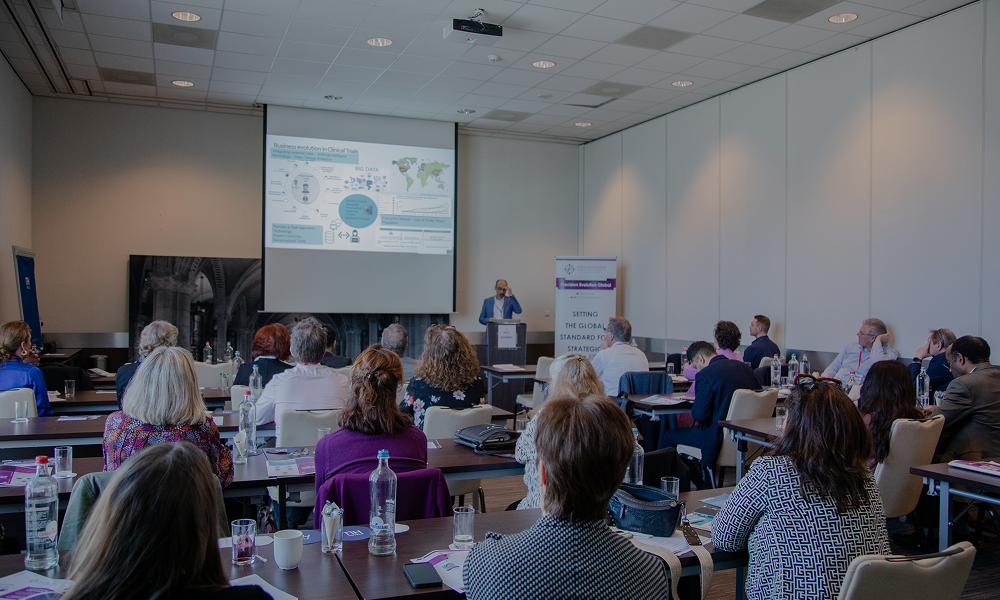
Industrial conferences and Clinical Trials Events provide valuable opportunities for stakeholders to exchange knowledge, discuss regulatory developments, and accelerate innovation across oncology research.
Precision oncology is the process of identification of molecular and genetic characteristics of cancer patients individually. Skipping the old method that only treated cancer on the base of its origin, modern physicians analyze biomarkers, DNA mutations, gene expression, and protein activity to determine the most effective treatment options.
With targeted therapies, companion diagnostics, genomic sequencing, biomarker-driven treatments, and liquid biopsy techniques, common precision oncology approaches keep evolving. These personalized approaches also reduce side effects and give more effective methods.
Clinical trials are the basis of any medical procedure. In precision oncology, they are even critical because they determine the treatment designs for highly specific patient populations. Unlike traditional methods, in precision oncology the cancer diagnosis is only about specifying the location of the tumor, but about recruiting participants on the basis of molecular biomarkers.
Modern precision oncology trials are greatly helpful for researchers to validate predictive biomarkers, evaluate targeted therapies, optimize patient selection,develop personalized treatment strategies, improve survival rates, reduce treatment toxicity, and accelerate regulatory approvals.
The insights gained from these trials continue to improve standards of care for multiple cancer types.
The biggest benefit of Preclinical oncology is the use of biomarker driven research to guide treatment decisions. Biomarkers broadly help the researchers to determine that which patients are more likely to respond, which therapies maybe ineffective, how resistance develops, and whether the treatment adjustments are necessary or not.
Researchers presenting at the Boston Oncology Summit frequently discuss advances in biomarker discovery, companion diagnostics, and genomic medicine that are shaping the future of cancer research.
Traditional clinical trials need very long time to be completed. Unlike the traditional clinical trial system, precision oncology has introduced more flexible trials that allow the researchers to evaluate multiple therapies simultaneously.
Patients with same genetic mutations received same treatment even if they have different cancer types.
Patience that have same cancer type may receive different treatments depending on their molecular profiles.
Researchers evaluate multiple therapies under one master protocol while continuously adapting based on results.
Many of these strategies are explored during the Boston Trials Summit, where clinical research leaders share practical experiences implementing complex oncology trial designs.
One of the greatest challenges in oncology research is recruiting suitable participants. Recruitment becomes even more complex when precision oncology trials demand patients with specific biomarkers. Researchers are improving enrollment through decentralized clinical trials, digital screening platforms, electronic health records, AI-powered patient matching, community outreach and expanded genomic testing.
Improving diversity is also very important. It is very significant to treat patients across borders, independent of their backgrounds, to make sure that every patient is treated equally.
Strategies for increasing equitable participation are frequently highlighted during San Diego Trials discussions focused on patient-centered clinical research.
Cancer cure is becoming a global issue. That's why researchers and scientists all over the world do collaborations and work together to share genomic datasets, harmonize regulatory standards, improve patient recruitment, expand access to rare patient populations, accelerate multi-centre studies and validate biomarkers across diverse populations.
Cross-border partnerships also enable pharmaceutical companies to bring innovative treatments to market more efficiently. The Zurich Trials Summit serves as an important platform where international experts discuss global collaboration, regulatory harmonisation, and emerging precision medicine strategies.
Successful precision oncology trials need careful operational planning beyond scientific discovery. Research teams must coordinate protocol development, regulatory compliance, site selection, patient recruitment, data management, vendor oversight, and risk management to improve strategic planning.
Effective planning helps to get good results faster and reduce delays while maintaining data quality. Industry leaders regularly exchange best practices for operational excellence during Trials Strategy RTP, where discussions focus on optimising clinical trial execution and accelerating research timelines.
Precision oncology is continuously evolving with emerging technologies transforming every stage of clinical research. We will see multi-omics integration, real-world evidence, digital biomarkers, AI-powered adaptive trials, personalised vaccines, gene editing therapies, and advanced liquid biopsies. These improvements will provide access to personalised patient care and improve cancer treatment precision.
Researchers, clinicians, regulators, and industry partners continue to collaborate with each other to translate scientific breakthroughs into better patient outcomes. Organisations like Precision Events help facilitate these collaborations by bringing together global experts dedicated to advancing oncology innovation, improving clinical trial design, and accelerating the development of life-saving therapies.
Precision oncology trials are rapidly transforming the future of cancer treatment by creating ways that are personalised to each patient's biological profile. Through biomarker-driven research, adaptive trial designs, artificial intelligence, global collaboration, and strategic operational planning, these studies are improving treatment of cancer.
The new methods are more effective, and they reduce unnecessary toxicity. Because precision oncology trials are adopting the modern scientific method at a fast pace, the expansion in scientific knowledge with the passage of time will help the precision oncology trial methods to improve over time.
Ongoing collaboration through leading industry conferences and clinical research initiatives will ensure that innovative discoveries reach patients faster, ultimately driving better outcomes for individuals facing cancer worldwide.