
Clinical research in 2026 is totally different from the traditional clinical research methods, and in fact, it is moving beyond the expectations of that time. Now the clinical trials not only focus on how a medical therapy is going to be invented, but they also deeply focus on understanding how therapies perform in routine care, across diverse populations and health systems.
Today, the clinical world is moving faster. With improved data access, stronger analytical methods, and clearer regulatory expectations, sponsors and CROs are using RWE to inform critical decisions from early feasibility through post-approval value demonstration. The result is research that is faster to execute, more representative of patient populations, and more aligned with what payers and clinicians need to see.
The demand for efficient and representative trials continues to grow. Enrolment timelines remain under pressure, inclusion criteria are being scrutinized for generalizability, and health. Real-world data comes from the places patients actually get care — electronic health records, insurance claims, diseaseregistries, and digital health tools. It gives us a clear look at how treatments are used, how patients move through the system, and what outcomeslook like outside the tight structure of a clinical trial.
Forteams developing a Clinical Strategy RTP, planning now begins with RWE dashboards and disease landscape analyses. The strategic question has evolved from what couldbe studied to what is already occurring in practice and where targeted evidence generation can add the most value.
When we bring those insights into protocol design early, it changes the whole conversation. Teams can see where their target patients are being treated, how therapies are typically sequenced in practice, and which endpoints doctors are already tracking and regulators trust. It’s also reshaping how we approach feasibility and site selection. Instead of just looking at past enrollment numbers, organizations can now map real patient flow and match it to sites with the right experience and patient mix.
Oncology continues to lead in RWE adoption due to the clear gap between tightly controlled trial populations and the broader patient community treated incommunity and academic settings. A protocol that does not reflect real-world treatment patterns will inevitably face enrollment and relevance challenges.
Boston Oncology Trials are increasingly being designed with RWE integrated from the outset. Historical EHR and registry data are used to characterize treatmentsequences in advanced disease, which then informs eligibility criteria thatbetter mirror clinical practice.
RWE is also enabling the use of external control arms and supporting single-arm studies where randomization is not feasible. With proper data governance, audittrails, and pre-specified analysis plans, regulators have shown greater openness to these designs when the comparator data meets quality standards.
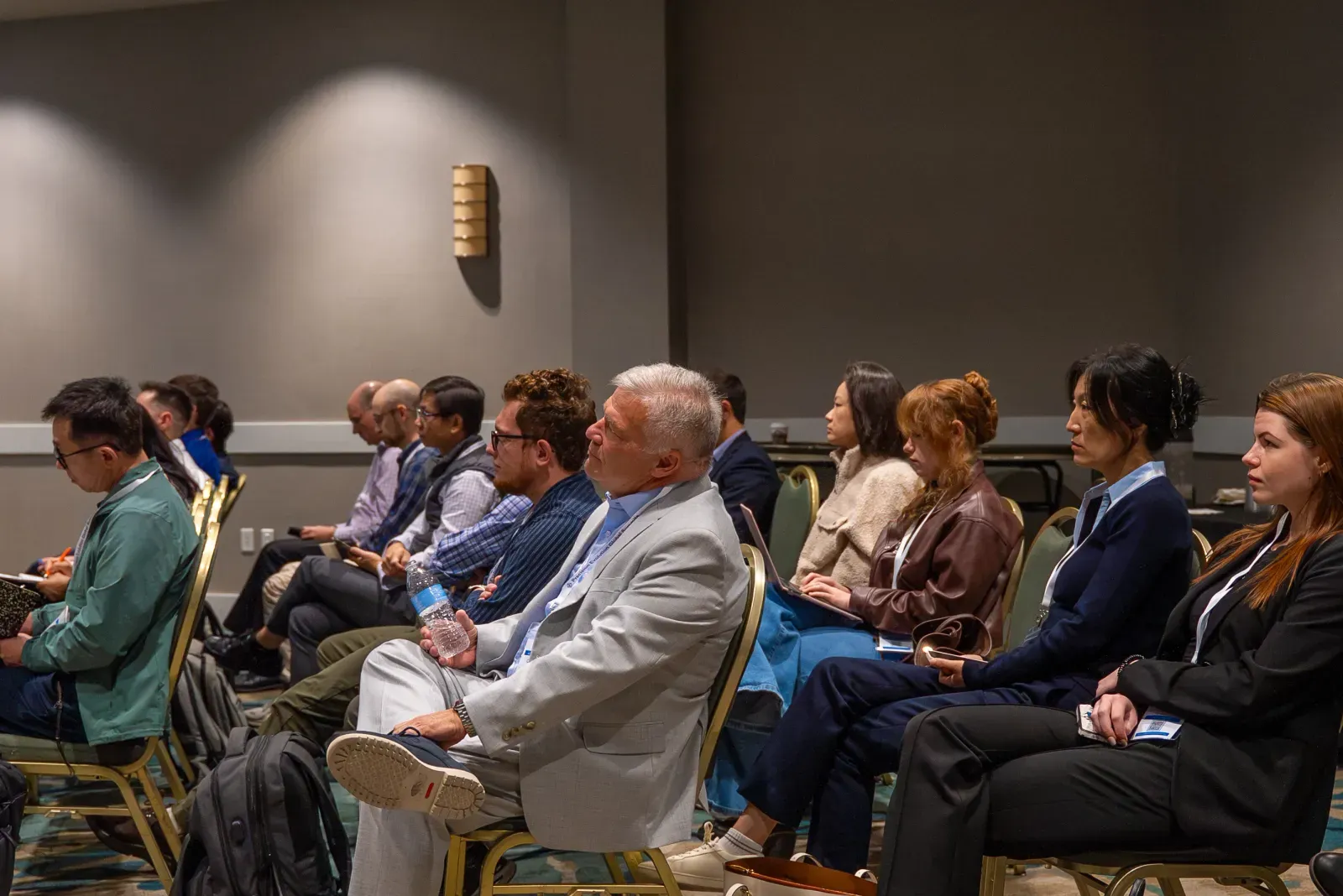
Theindustry dialogue has matured from conceptual discussion to practical implementation. At the SD Clinical Summit, the emphasis was on executingRWE programs with the same rigor applied to interventional studies.
A primary focus was data quality and fitness for purpose. Access to large datasets is valuable only when key variables are complete, consistently coded, and validated against source. Leading organizations are investing in datacuration, mapping to common data models, and conducting validation studies prior to regulatory use.
Hybridtrial designs were also prominent. These combine a core interventional cohortwith an RWE component to track long-term effectiveness, adherence, and safety post-study. This model preserves the integrity of randomization while extendingevidence generation in a cost-effective manner.
In Europe, regulatory and HTA alignment around RWE continues to advance. Discussions at the Europe Clinical Summit underscored the importance of transparency and prospective planning.
Agencies expect to see the complete data lineage, from source system to analysis-ready dataset. Observational studies intended to support decision-making are being held to standards similar to interventional trials, including pre-specified protocols and statistical analysis plans. Early scientific advice that includes RWE proposals is becoming standard practice.
Forrare diseases, RWE plays an especially critical role. Natural history data derived from registries informs trial design and provides external comparators, while collaboration with patient groups ensures that evidence generation reflects true patient burden.
By the Boston Clinical Summit , the conversation had shifted to optimization and scale. The most effective RWE programs shared several common characteristics.
They began with a clearly defined decision. RWE was deployed to inform doseselection, comparator choice, subgroup definition, or label expansion, not as an exploratory exercise. They were led by cross-functional teams that includede pidemiology, clinical, data engineering, and regulatory expertise from the start. And they engaged with health authorities early to align on methods and expectations.
Real-world evidence is not intended to replace randomized controlled trials. It is intended to complement and extend them. In 2026, RWE is helping sponsors design better protocols, enroll more representative patients, and understand long-term out comes in routine care.
Organizations that are leading in this area are treating RWE as core infrastructure. They are establishing data partnerships early, implementing internal standards for study conduct, and applying the same level of documentation and quality control usedin pivotal trials.