
Modern medical innovation is shaped by clinical trials. The foundation of every breakthrough treatment, diagnostic tool, and therapeutic approach is built on deep and careful research to evaluate safety and efficacy. That's why strategic clinical trials have become more important than ever to keep healthcare evolving. It enables the researchers, healthcare providers, sponsors and regulatory advisors to work together and to move towards a faster and more modern pharmaceutical world.
It is very important for organisations to keep investing in every step of the strategic clinical trials to achieve high-quality results and to reduce operational risks. Clinical trials are not only about collecting data, but they also involve elaborate research, comprehensive planning, collaboration among experts and researchers, patient-centred recruitment, and the use of modern technology.
Leading industry discussions, including those highlighted during clinical trials San Diego, emphasise that successful research begins long before patient enrolment. To design an effective trial, a perfect combination of clearly defined objectives, realistic timelines, and protocols that perfectly align with scientific requirements is generated under strict control.
Researchers tend to measure the endpoints, establish eligibility criteria, and work on risk management strategies in advance to predict perfection in results. This careful preparation results in fewer protocol amendment delays and increases the efficiency of the overall study.
The right use of modern technology also plays a very important role in the unique clinical trial management. For this purpose, electronic devices that can capture data faster than humans, artificial intelligence that can predict perfect results and other gifts of the modern world help in predicting perfect clinical results.
Patients are the heart of every successful clinical trial. It is very important to create an experience that obeys scientific integrity and provides good results. Strategic trials focus on a positive participant experience. This type of patient-centric approach can include flexible visit schedules, continuous patient support throughout the study, digital communication tools and remote participation options.
Industry experts frequently discuss these evolving patient engagement strategies during the Boston Oncology event, where collaboration between sponsors, investigators, and healthcare professionals helps identify innovative ways to improve recruitment and retention. It is very important to keep the participants feeling supported and informed so that they can stay in touch throughout the process and be part of the reliable research results.
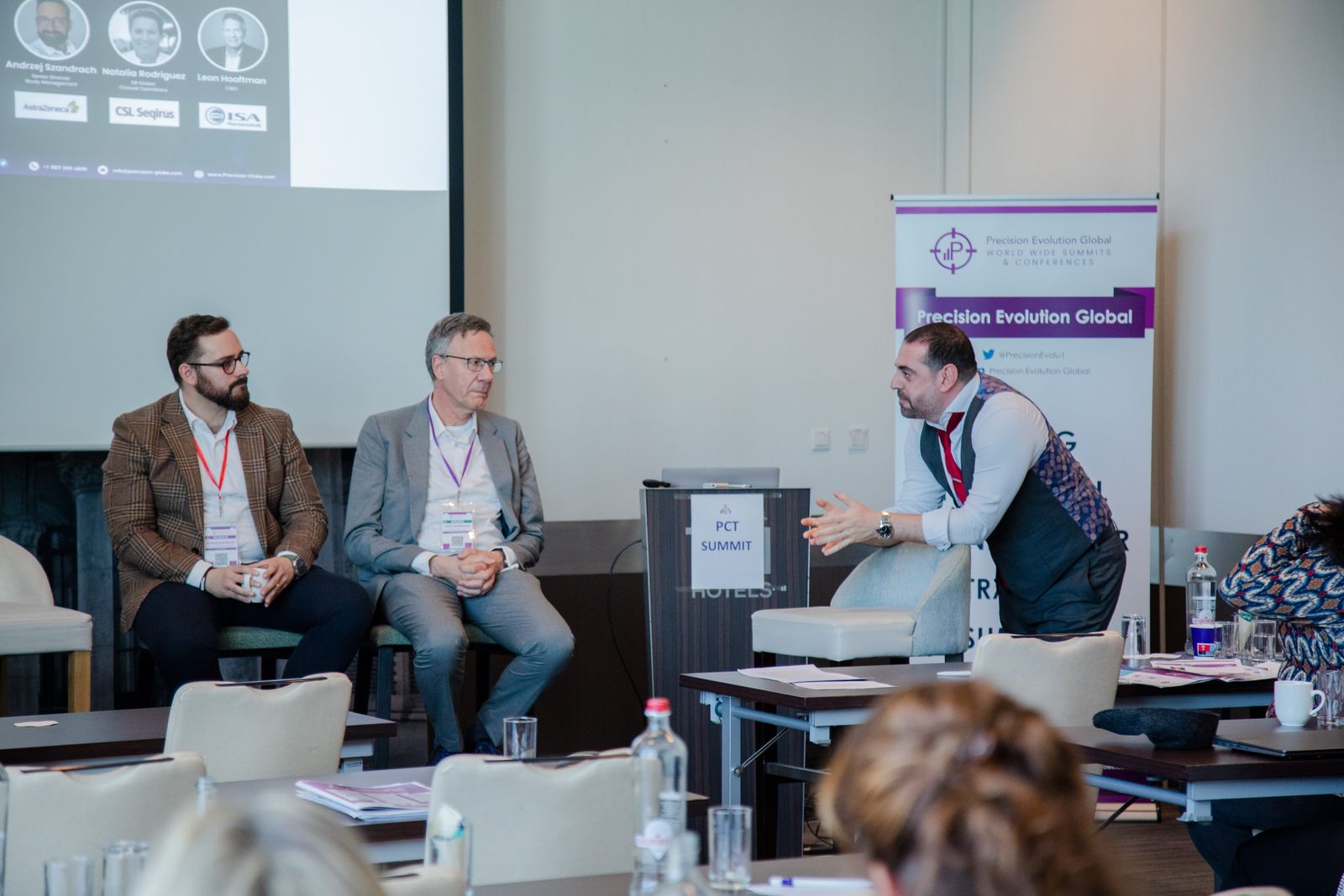
Collaborations among pharmaceutical companies, contract research organizations, academic institutions, investigators, and regulatory authorities are the foundation of modern clinical research. These collaborations often come into existence through meetings and summits.
Industry conferences such as Summit Strategy RTP provide valuable opportunities for professionals to exchange ideas, discuss operational challenges, and explore innovative clinical trial methodologies.
It is very important to know that cross-functional collaborations can help organizations in improving protocol development, accelerating patient recruitment, sharing operational best practices, and exploring emerging technologies. These collaborative efforts contribute to more efficient studies and improved patient outcomes worldwide.
Digital transformation and progress of the modern world are completely shaping the landscape of clinical research. The emerging technologies like artificial intelligence, machine learning, wearable health devices, electronic patient-reported outcomes, decentralized clinical trial platforms and remote monitoring solutions are transforming clinical research.
Experts attending Boston clinical research discussions frequently highlight how these innovations improve operational efficiency while making participation more accessible for diverse patient populations.
The use of these digital tools is not only improving study and research but also reducing the burden of personalized patient care and deep analysis.
International collaborations and knowledge exchange greatly benefit the clinical research. Scientific conferences and global summits enable researchers and scientists to discuss new therapeutic approaches, changing trends, new technologies, recent issues and patient responses. They provide operational improvements that can be implemented across future studies.
The summit Zurich Conference brings together global leaders who share insights into evolving clinical trial strategies, precision medicine, decentralized research models, and emerging regulatory expectations. They promise a better future for clinical industries by presenting multiple incredible ways to improve clinical research trials and achieve better results.
International collaboration among research companies and pharmaceutical organizations promotes consistent standards and encourages innovation. The interactions with experts and professionals help organizations overcome common challenges across multiple therapeutic areas. These collaborations are beneficial for both organizations and professionals.
To maintain excellence in clinical research, it is very important to guarantee professional development throughout the process. That's why to stay informed about the industrial developments, the experts and professionals collaborate and contact through the events, summits, conferences, and educational programmes held globally in different cities.
Organizations participating in Precision Globe Events gain valuable access to thought leaders, case studies, technology demonstrations, and collaborative discussions that support continuous improvement throughout the clinical research process.
These events encourage practical knowledge sharing while fostering partnerships that advance scientific discovery and improve healthcare outcomes globally.
Organisations that want to see better results in the strategic clinical trials should focus on the following key strategies, such as developing clear and measurable study objectives, designing patient-friendly protocols, investing in digital technologies for trial management, maintaining a high standard for data quality, strengthening collaboration across stakeholders, promoting continuous education for research teams and much more.
Following these strategies can result in best practices for the strategic clinical trials that are more reliable, efficient, and patient-friendly. This preplanning of clinical trial management system works best in drug development and patient care strategies and ensures success.
For the advancement in patient care and medical research, strategic clinical trials are very important. Success in the clinical trials depends on thorough planning, strong collaboration, patient engagement, high-quality data management, regulatory compliance, and continuous innovation. As healthcare evolves, organizations that embrace strategic clinical research practices will be better positioned to deliver meaningful scientific discoveries while improving efficiency and accelerating access to life-changing therapies.
By combining advanced technologies, global collaboration, and patient-centred approaches, the future of clinical research continues to move toward faster, safer, and more effective treatment development that benefits patients around the world.